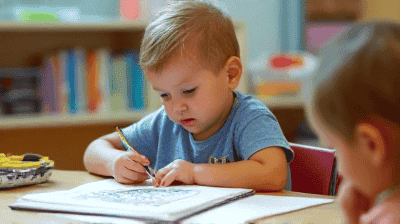
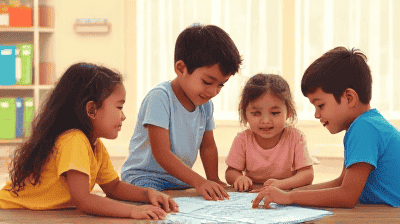
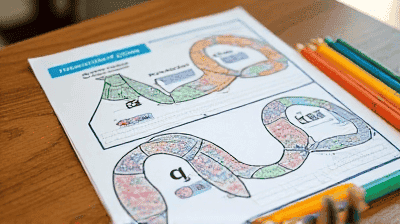
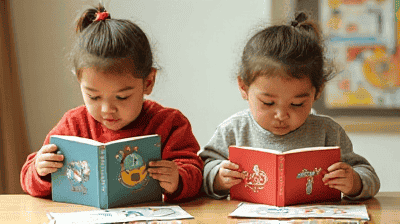
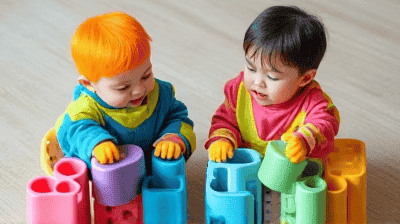
Creating engaging lesson plans for preschoolers is a vital component of effective early childhood education. Young children are naturally curious and eager to explore, making the development of a well-structured and stimulating curriculum essential. Crafting an engaging lesson plan involves understanding the developmental stages of preschoolers, considering their interests, and implementing activities that foster learning. This article provides a comprehensive guide on designing lesson plans that capture th
Early childhood is a crucial stage in a child’s development. It is during these formative years that children begin to learn how to interact with their peers, express their thoughts and feelings, and navigate social situations. Social skills play a pivotal role in a child's overall development, influencing their emotional well-being, relationships, and academic success. This article explores effective strategies educators and parents can implement to foster social skills in preschool children.
Cultural awareness is a crucial component of modern education, especially in early childhood classrooms where children are just beginning to understand the world around them. As society becomes increasingly diverse, teaching cultural awareness and promoting diversity in the classroom is essential to fostering inclusivity, empathy, and respect among young learners. This article explores the importance of cultural awareness in early childhood education, provides strategies for educators to teach diversity, an
In an increasingly globalized world, the ability to communicate in multiple languages has become a valuable skill. Bilingual education, particularly for young children, offers numerous cognitive, social, and cultural benefits. This article explores the importance of bilingual education, the advantages it provides for early childhood development, and effective strategies for implementing second language instruction in educational settings.
Tantrums are a common occurrence in the lives of preschoolers and can pose a significant challenge for parents, educators, and caregivers. As young children navigate the complexities of emotions, the ability to express themselves can sometimes lead to outbursts of frustration, anger, or sadness. Understanding the roots of tantrums and employing effective emotional regulation techniques can significantly help children learn to manage their emotions more effectively. This article delves into the nature of tan
In today's rapidly changing world, the importance of STEM education—Science, Technology, Engineering, and Mathematics—cannot be overstated. Early exposure to these fields not only fosters curiosity but also develops critical thinking and problem-solving skills in young learners. By integrating STEM into early childhood education, educators and parents can create enriching experiences that stimulate children's natural interests and abilities. This article will explore the significance of STEM in early childh
Parental involvement is a critical component of early childhood education that significantly impacts children’s learning and development. When parents engage actively in their child's education, they create a strong foundation for academic success and holistic development. This article explores the various ways parents can support early learning at home, the benefits of parental engagement, and practical strategies for fostering a love of learning in young children.